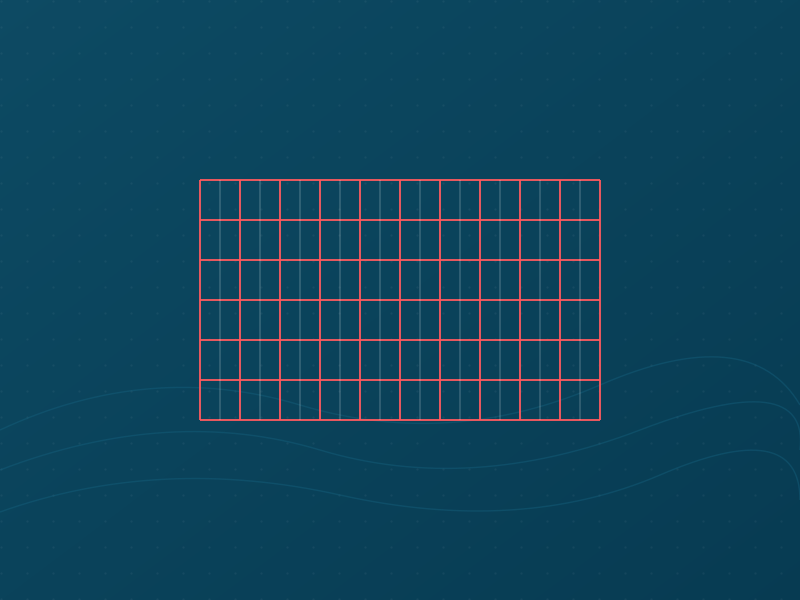
High-strength steel screening media for accurate particle separation, excellent open area and long service life across aggregate, mining and recycling operations.
Woven wire screen is one of the most widely used screening media in aggregate, mining and recycling operations. Manufactured from high-strength steel or stainless steel wire, it provides accurate particle separation, excellent open area and long service life.
Depending on the material being processed, screen opening, wire diameter and weaving pattern can be selected to balance screening efficiency, throughput and wear life.
Selecting the right material is critical to screen performance and service life.
| Material | Typical Application |
|---|---|
| High Carbon Steel | General aggregate and quarry applications |
| High Tensile Steel | Heavy-duty screening with higher wear resistance |
| Stainless Steel 304 | Corrosive or wet processing environments |
| Stainless Steel 316 | High corrosion resistance for chemical or marine applications |
| 65Mn Spring Steel | High-impact applications requiring flexibility and durability |
Every screening application is different. When selecting woven wire screens, consider:
Choosing the correct wire diameter and aperture combination can significantly influence throughput, screening accuracy and operating cost.
Suitable for dry screening and certain wet screening applications depending on operating conditions.
Designed to fit most major vibrating screening equipment. Compatible with equipment from:
Custom sizes are available based on OEM drawings or customer specifications.
| Aperture range | 0.5 mm – 120 mm |
| Wire diameter | 0.3 mm – 12 mm |
| Weave patterns | Square, slotted, self-cleaning |
| Materials | High carbon, high tensile, SS304, SS316, 65Mn |
| Hooks / edges | To OEM drawing or customer specification |
Wire diameter is selected together with aperture to balance open area, throughput and wear life. As a rule, larger wire increases durability but reduces open area — our team helps you optimize for your feed size and screening target.
High tensile and 65Mn spring steel generally provide the best wear resistance for abrasive, high-impact duties. For corrosive or wet environments, stainless 304/316 is preferred despite lower hardness.
Square mesh gives accurate two-dimensional sizing; slotted (rectangular) mesh increases open area and throughput and reduces blinding on damp or near-size material.
Blinding is usually caused by moisture, near-size particles or incorrect aperture/tension. Self-cleaning mesh, slotted apertures or polyurethane panels can significantly reduce it.
Options include higher-tensile wire, optimized weave pattern, correct tensioning and protecting high-wear zones — often extending life while keeping open area competitive.
Modular PU panels for fine & wet screening with long life.
ViewHeavy-duty perforated plate for scalping and coarse duty.
View
Screening accessories and mounting components.
View
Idlers and rollers for downstream material handling.
ViewShare your equipment model and requirement — no online purchase, just a fast, no-obligation quotation.